Construction Intelligence
SeaWorld master plan advances but individual projects still need review
San Diego's SeaWorld planning update offers early contractor intelligence on scope, permit dependencies and site-specific mitigation.
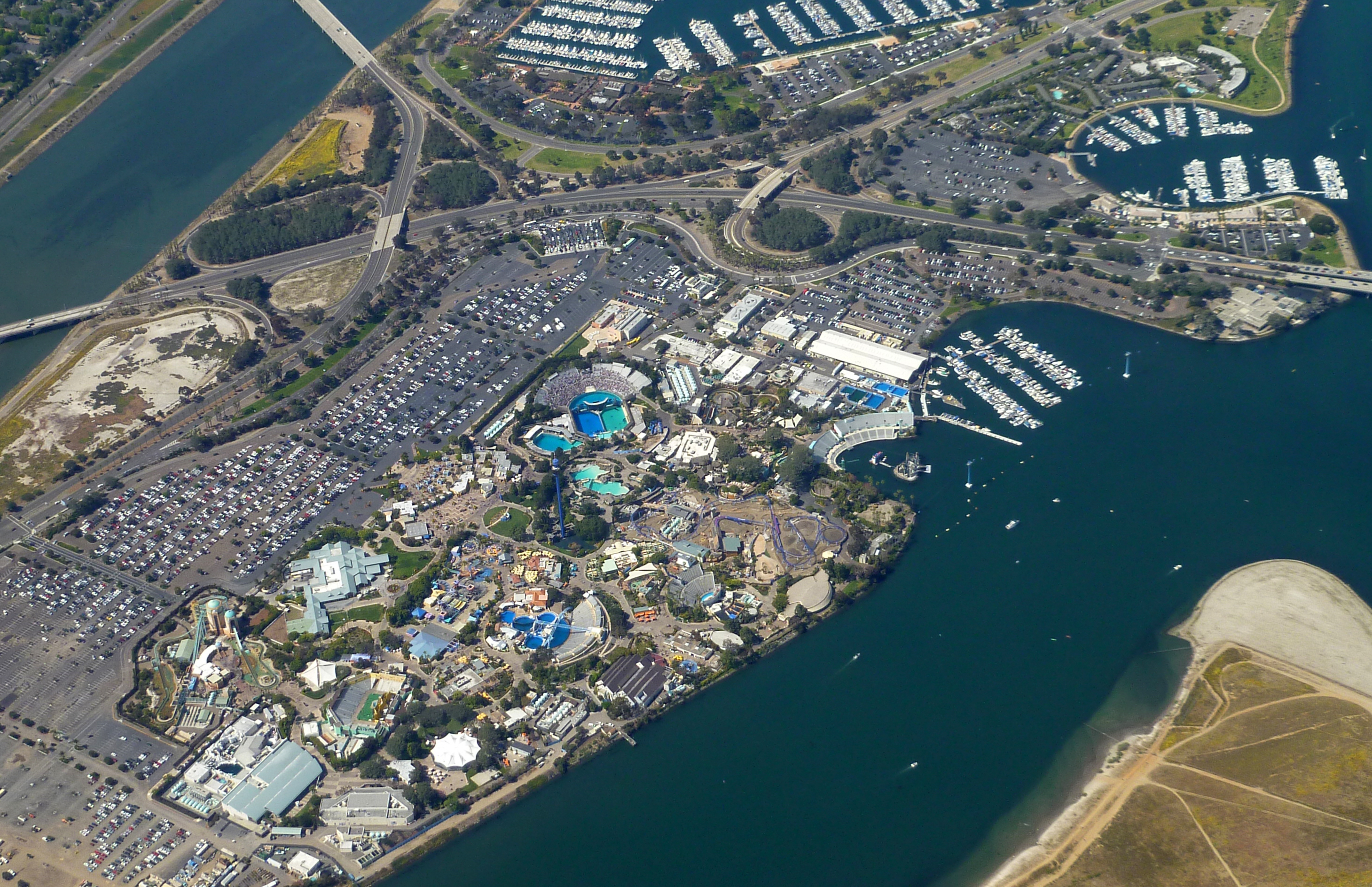

San Diego's latest SeaWorld planning action gives contractors a reason to revisit the park's long-term capital pipeline, while keeping individual opportunities firmly in the qualification stage. A Notice of Determination posted October 22 records City Council approval on October 13 for the 2020 SeaWorld Master Plan Update, project PRJ-0646353. The filing describes future renovation, redevelopment and expansion across five planning areas on a 189.4-acre site at 500 SeaWorld Drive. W1
The adopted resolution reached final passage October 16. Its coastal limitation matters: it makes effectiveness of the Local Coastal Program amendments in the Coastal Zone conditional on unconditional California Coastal Commission certification. Substantial development also faces City consistency review, with coastal permits or waivers addressed separately. W2
What the plan describes
The five areas cover the theme park, guest parking, administration and support, marina, and Perez Cove shoreline. Support-area uses include water treatment, storage and maintenance. Carried-forward concepts include a four-level parking garage, a 300-room hotel and a marina expansion adding 115 berths. W2 These are concepts in the adopted plan, not newly cleared construction packages. Current project-specific approvals and any later coastal certification require a separate check.
Mitigation gives contractors specific questions
For contractors, the more immediate intelligence sits in the adopted mitigation program. Before grading permits, it calls for site-specific soils and subsurface geotechnical work, remedial recommendations, erosion-control plans and professional monitoring. Construction-management requirements address road debris and routing through less-sensitive areas; off-peak deliveries are recommended. Certain waterfront concepts also trigger project-specific eelgrass and shadow analysis. W3
The contractor implication is an early focus on interfaces rather than project totals. Geotechnical findings can affect foundation assumptions, earthwork quantities and temporary works. Waterfront environmental obligations can influence access planning and sequencing. Those are estimating and constructability considerations inferred from the requirements, not evidence that a particular trade package is available.
Qualify individual improvements before estimating
A useful qualification file would keep concept drawings separate from issued construction documents and distinguish the park operator's development intentions from agency permissions. That separation helps avoid treating a master-plan envelope as a committed revenue opportunity or allowing a conceptual scope to drive a premature estimate.
Three questions should guide the next review:
- Which individual improvement has moved into a defined design and permitting package?
- What coastal, grading and environmental conditions apply to that specific footprint?
- Which quantities and sequencing assumptions remain contingent on investigations or approvals?
This review did not establish an open solicitation, selected general contractor, construction budget or start date. The actionable next step is to track project-specific permits and owner-issued procurement information before assigning an opportunity to a bid calendar.